kulturgutspiel.de – Board Game Journal
https://kulturgutspiel.de/en/kategorie/culture-society/page/4

Automatically translated from German by Mistral. Read the original How is this translated?

Culture & Society

Culture & Society

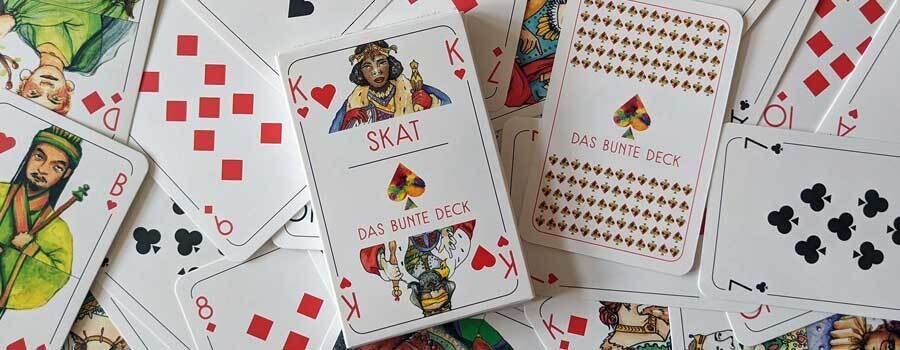
Playing cards against sexism, racism and stigmatisation

Why are there no queens in traditional playing cards? Why do all the ladies have long hair? Why are all the people white? These are questions the Spielköpfe team asked themselves, and they designed a deck of cards that aims to represent the full diversity of society; with black jacks, short-haired ladies and queens wearing headscarves. We spoke to the creators about stereotypes, watercolours and hate comments.

Read more: Playing cards against sexism, racism and stigmatisation

Culture & Society

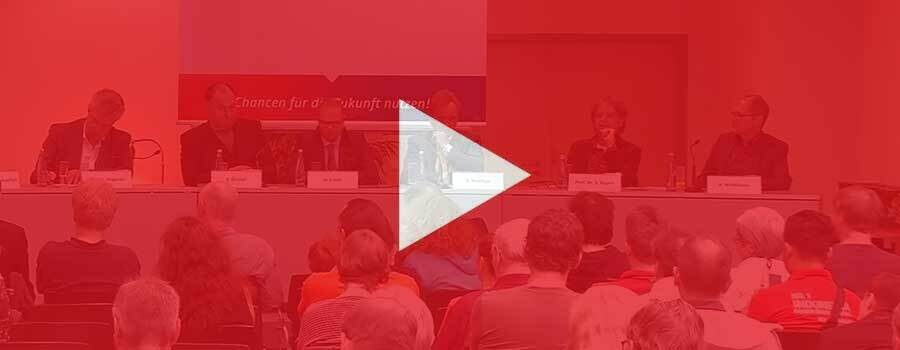
Politics meets board games

The Spiele-Autoren-Zunft (SAZ) had at SPIEL Essen 2018 together with the Deutscher Kulturrat invited the cultural politicians Bernd Petelkau, (MdL, CDU), Helge Lindh (MdB, SPD) and Erhard Grundl (MdB, Grüne) to a panel discussion. For the first time, a public discussion took place between representatives of analogue gaming and politics at SPIEL Essen 2018 in Essen. Here is the SAZ recording of the event.

Read more: Politics meets board games

Culture & Society

Taboo topics in party games

The present is cruel and beautiful. It is as colourful as confetti swirling through the air at a party. It is as black as smudged kohl after a sexual assault. Books and films address all these colours, all this joy and suffering. Board games do not. They generally avoid anything that might cause irritation, including topics like death, homosexuality or depression. Why is that?

Read more: Taboo topics in party games

Culture & Society

Playing at school

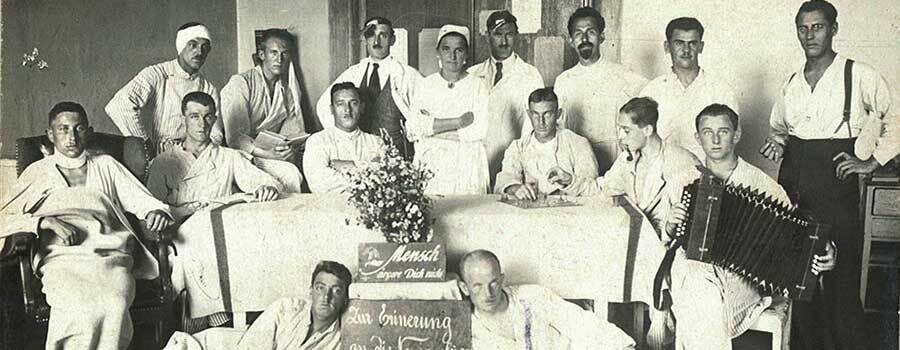
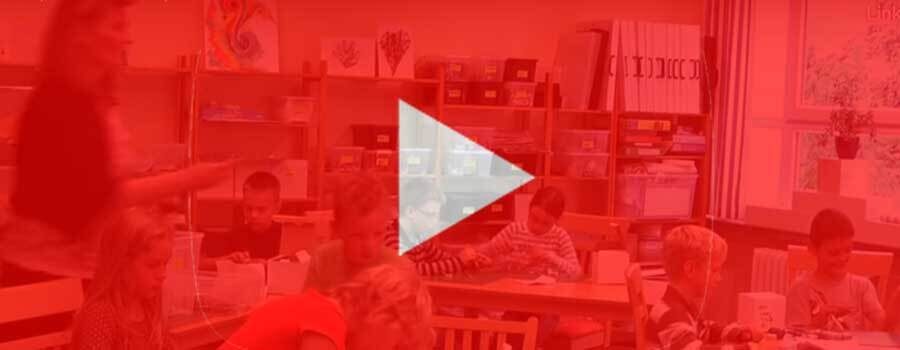
Alongside maths, biology and English, some schools also have games on the timetable. We visited a Berlin primary school and watched young game designers at work. We also spoke to game educator Jürgen Kerber. He plays the role-playing game “Das Schwarze Auge” with pupils and reveals what the children learn from it.

Read more: Playing at school

Culture & Society

Hexen gegen Huren

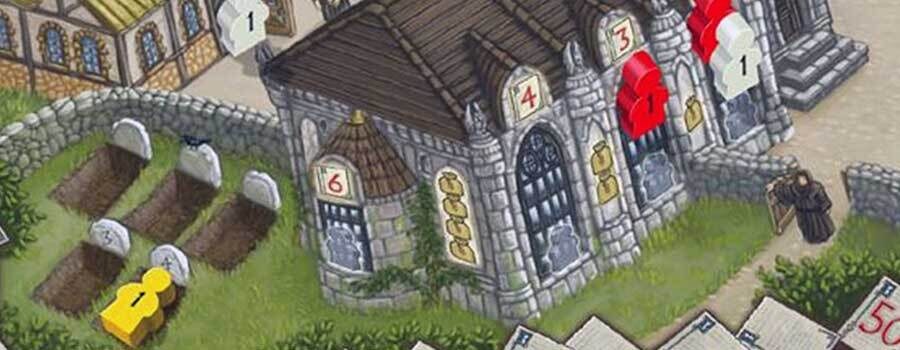
What do prostitutes and Jews have in common? They were marginalised groups in the Middle Ages, just like executioners and alleged witches. Historian Christopher Barth is a teacher and has developed a board game about these marginalised groups. He wants to use it to raise awareness among pupils. In the interview, he reveals why fun isn’t the main focus and why he is bothered by the portrayal of the Middle Ages in many social games.

Read more: Hexen gegen Huren